Equipment · 2026-03-12 · 7 min read
How to choose a golf glove that actually lasts
Leather vs synthetic, sizing, weather, and when to replace a glove so your grip stays quiet.
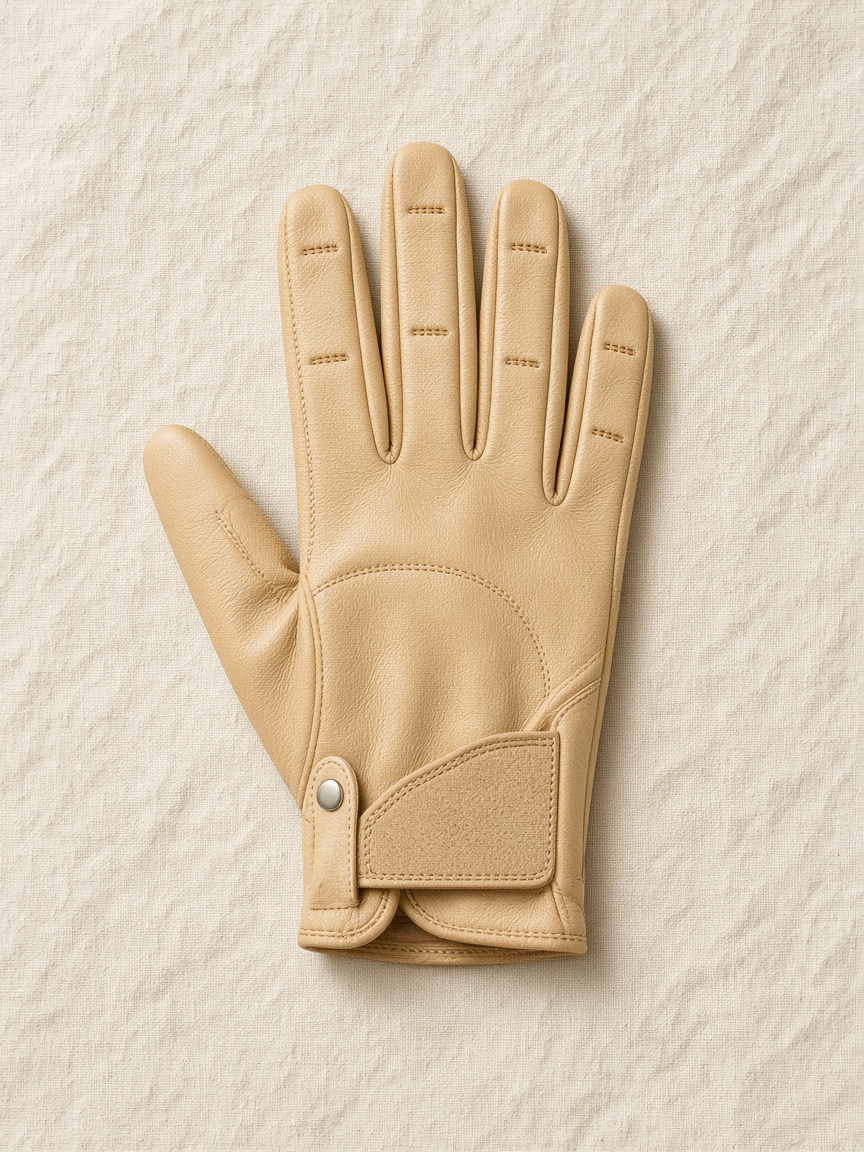
A glove is a cheap insurance policy for consistent grip pressure. The wrong size or a soaked leather palm will make you squeeze the club, which usually shows up as hooks and fat irons. This guide covers leather versus synthetic, how we size Fairway & Co. gloves, and a simple replacement schedule.
Leather for dry days, synthetic for mixed weather
Cabretta leather is still the tour standard because it is thin and conforms to the hand. It is not magic in rain. If you play in drizzle or live somewhere humid, keep a synthetic or all-weather glove in the bag and switch when the leather starts to shine.
You do not need two leather gloves in rotation unless you play four times a week. One leather and one all-weather pair covers most recreational schedules.
Fit: no extra material in the palm
The palm should be snug with no balloon of leather under the grip. Fingers should reach the end of the stalls without curling. If the tab barely reaches the first hook, size up. If it wraps past the logo, size down.
Right-handed golfers wear the glove on the left hand. Left-handed golfers reverse that. We sell left-hand gloves as standard and can special-order right-hand gloves — email support@fairwayco.golf.
Care and replacement
Wash leather gloves in cold water with a drop of mild soap, press in a towel, and air dry — never a dryer. Replace when the palm is smooth and shiny or the thumb seam opens. For most players that is 8–15 rounds.
Written by the Fairway & Co. desk in Scottsdale, AZ. Questions? Contact us. Privacy policy.